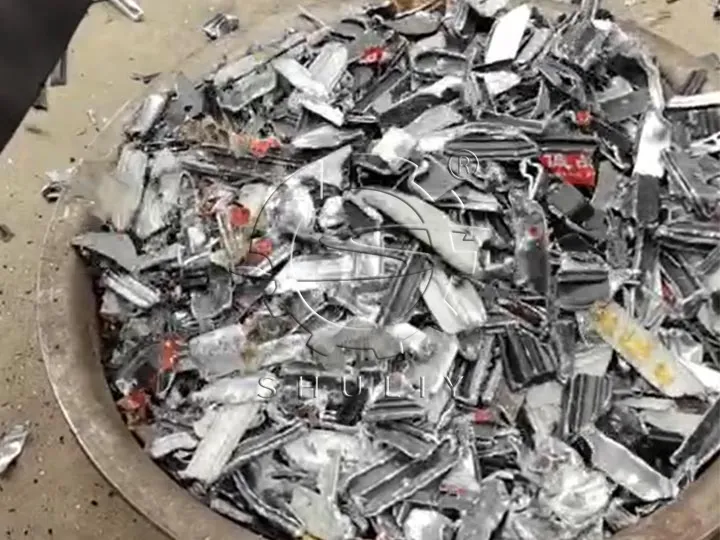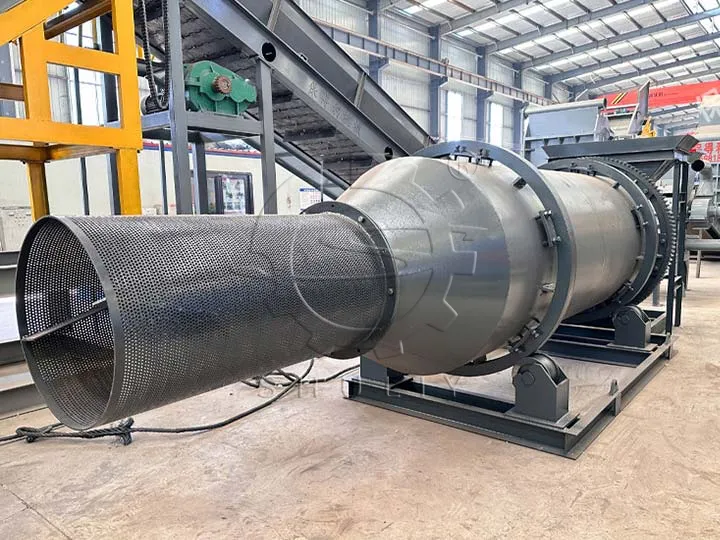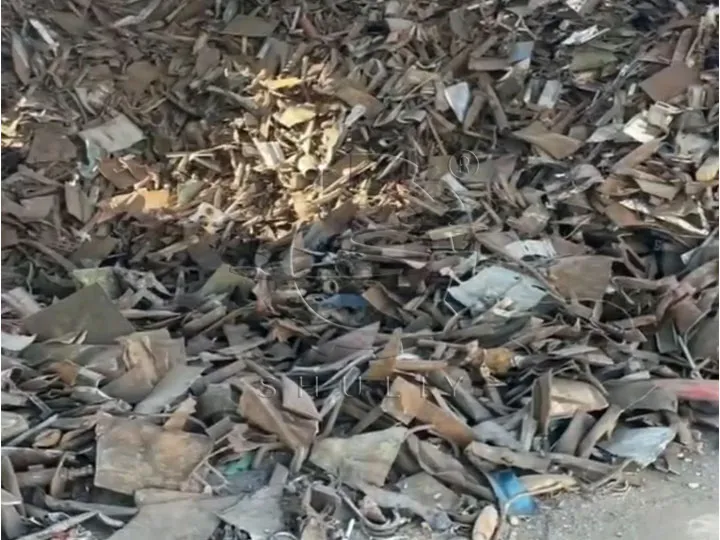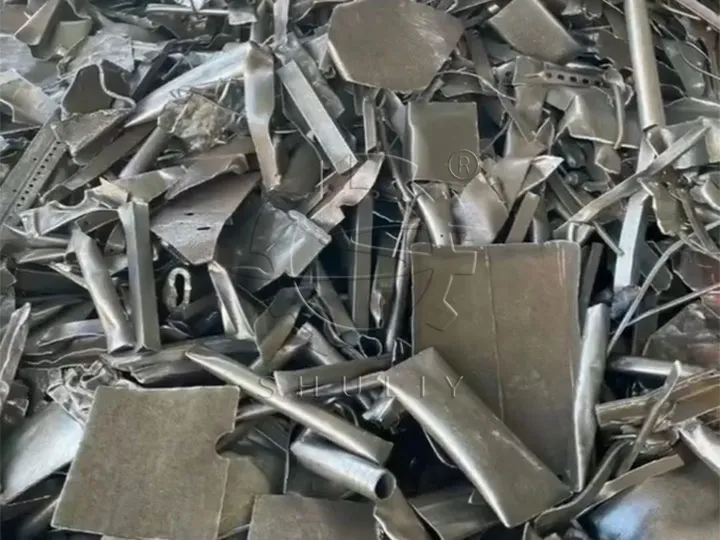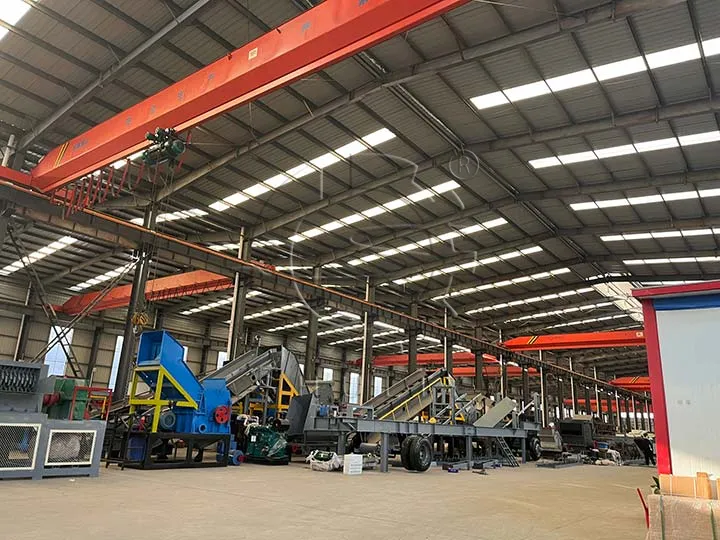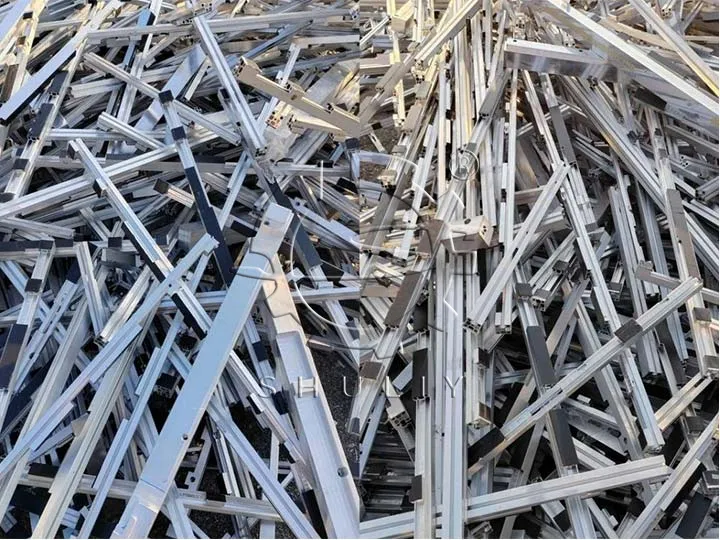
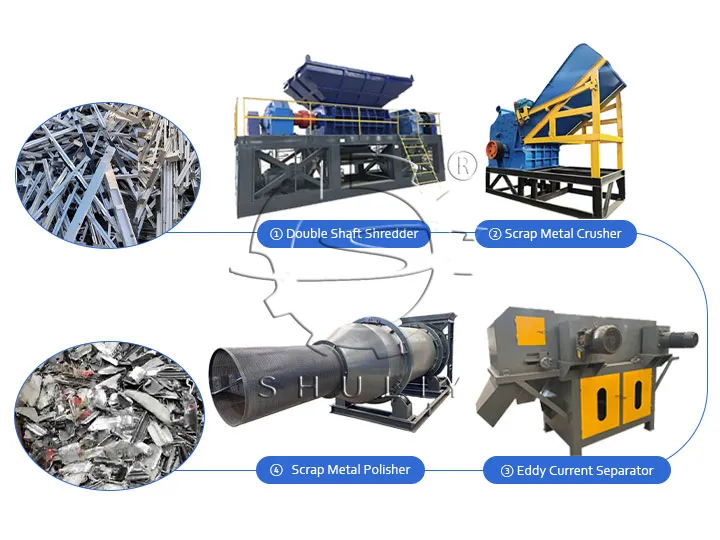
With the growing demand for recycling construction waste and aluminum window profiles, the thermal break aluminum recycling line has become an important solution in the recycling industry. This production line is specially designed for aluminum profiles with plastic thermal break strips, using shredding, crushing, and separation processes to efficiently recover non-ferrous metals and separate them from non-metal materials.


Basic Process of Thermal Break Aluminum Recycling
The overall recycling process is straightforward and typically consists of three main machines:
Metal Shredder → Scrap Metal Crusher → Eddy Current Separator
Through step-by-step processing, large aluminum materials are reduced into smaller particles, making it easier to achieve efficient separation and recycling.


Core Equipment Introduction of Thermal Break Aluminum Recycling Line
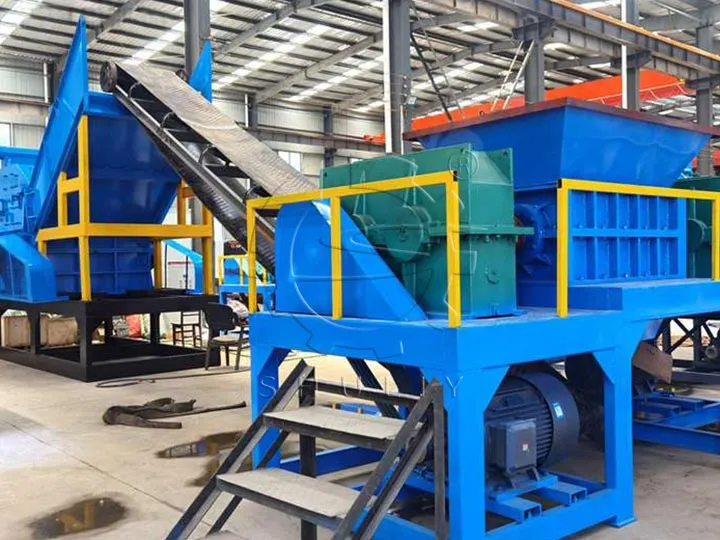
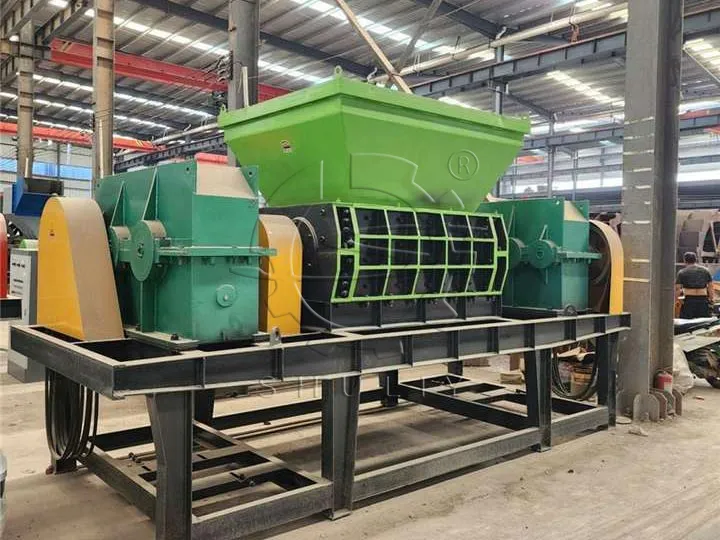
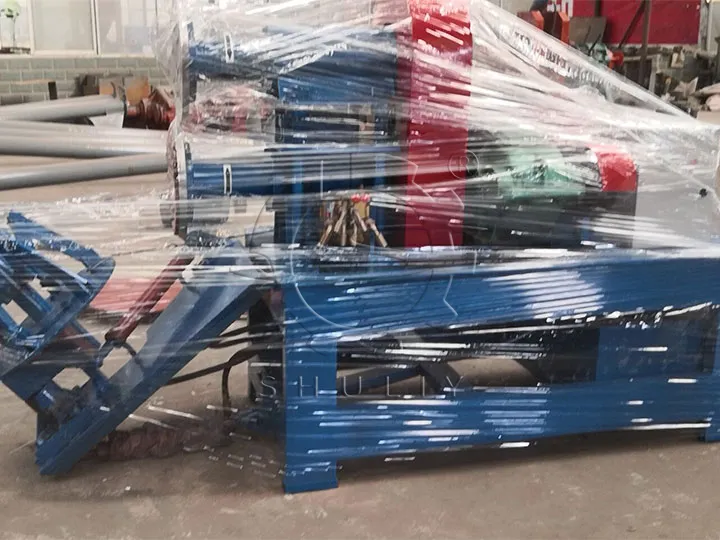
Metal Shredder: Primary Size Reduction
The metal shredding machine is the first stage of the recycling line and is used for initial material processing.
- Reduces material size through tearing and shearing
- Suitable for various aluminum profiles, window frames, and scrap materials
- Available in multiple models to meet different capacity requirements
- Versatile and capable of handling a wide range of metal waste
After shredding, the material becomes more uniform, which facilitates further processing.

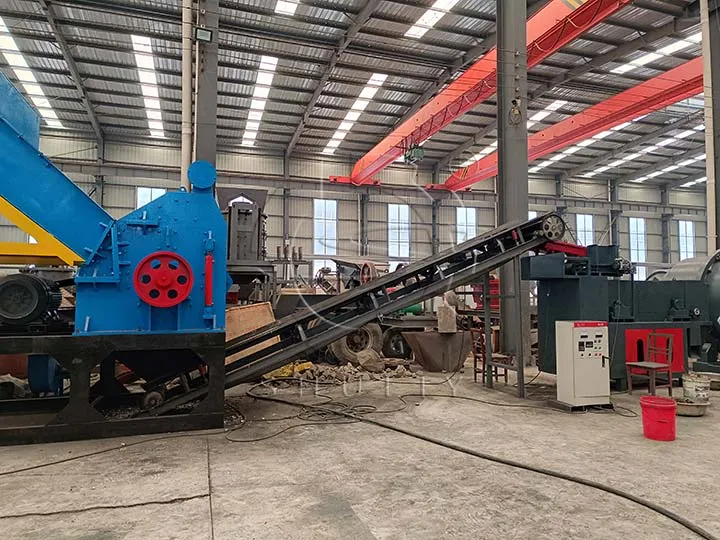
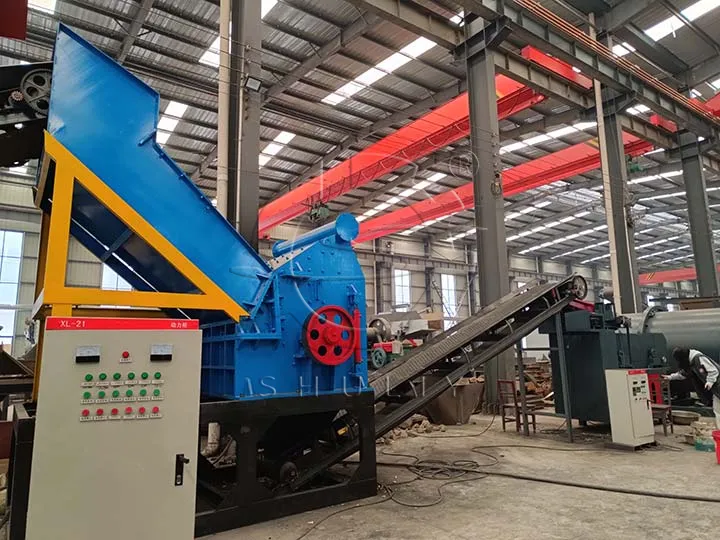
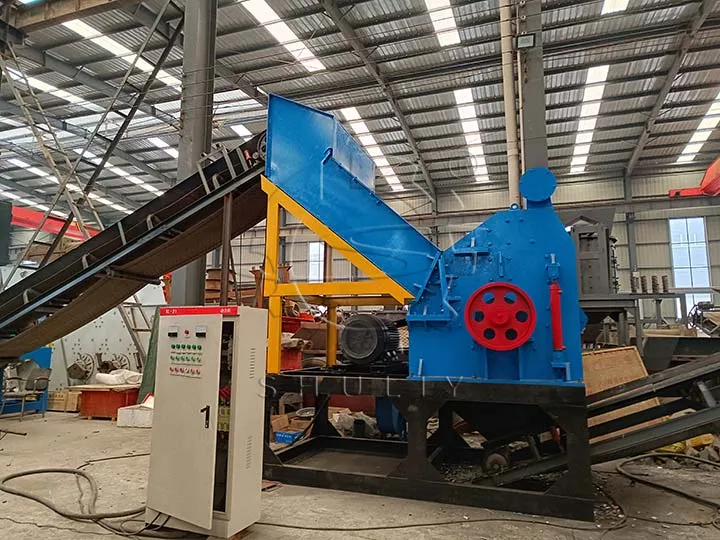
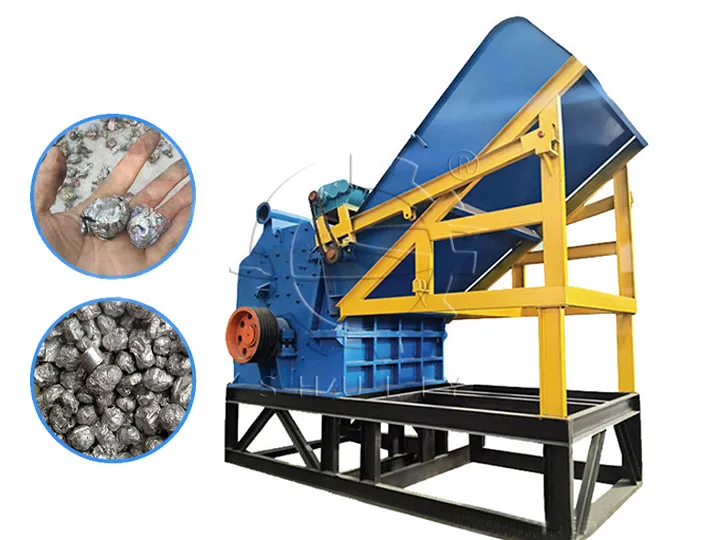
Aluminum Crusher: Secondary Crushing
The crusher performs further size reduction after shredding.
- Uses high-speed hammering for secondary crushing
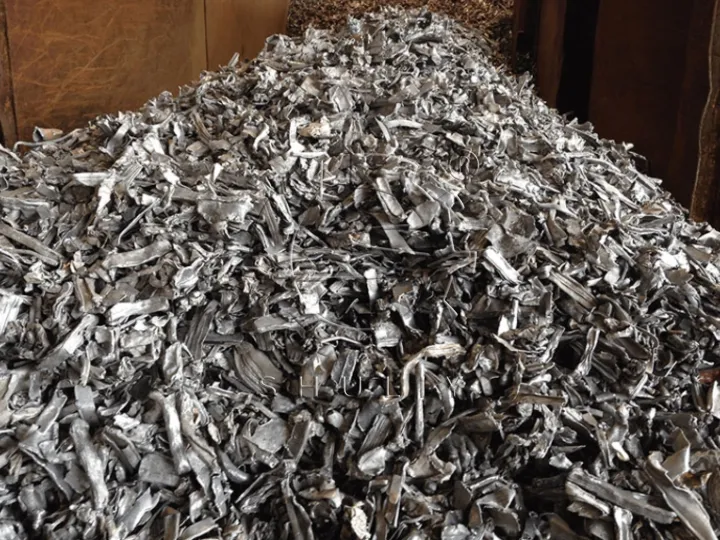
- Final output size is typically 3–10 cm
- Produces small blocks or pellet-like materials
- Improves the efficiency of the separation process
This step plays a key role in ensuring better separation results.

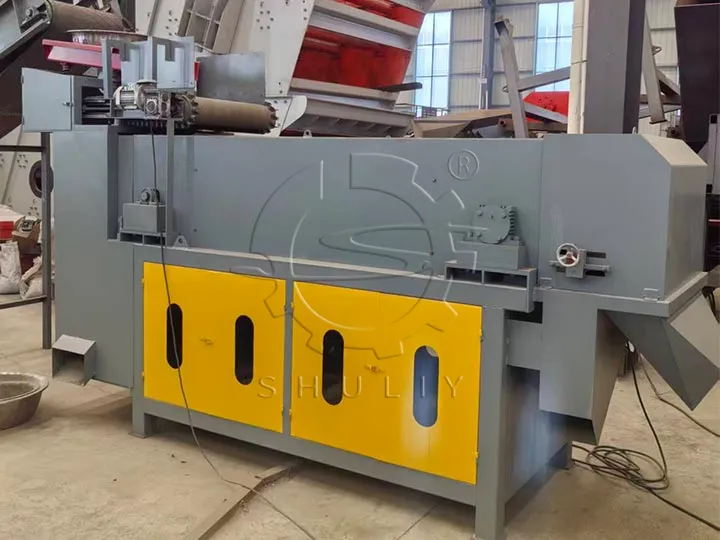
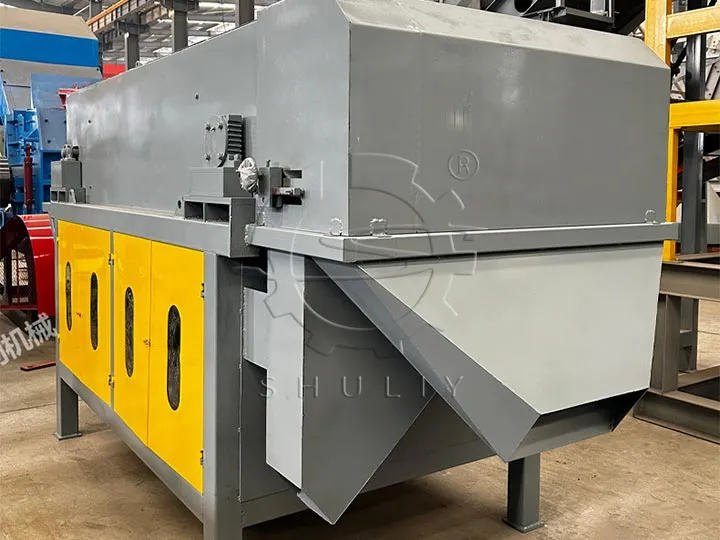
Eddy Current Separator: Non-Ferrous Metal Separation
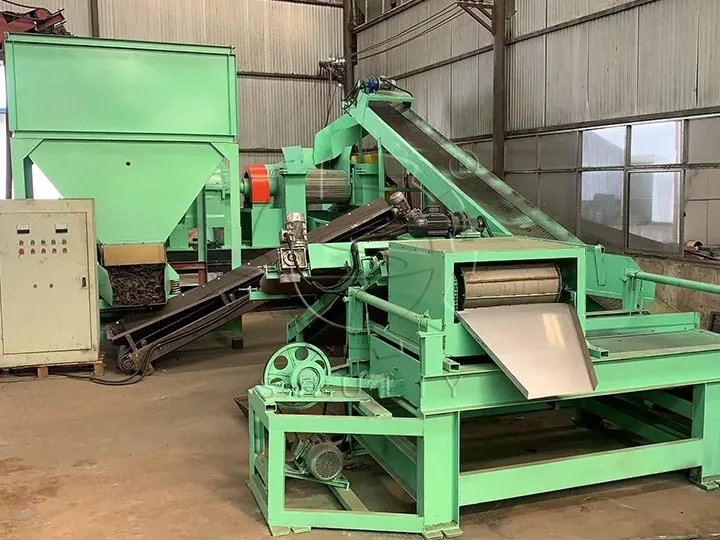
The eddy current separator (also known as a non-ferrous metal separator) is the key equipment in this thermal break aluminum recycling line.
- Designed for separating non-magnetic metals such as aluminum and copper
- Automatically separates metals from non-metal materials
- Highly effective for separating aluminum from plastic thermal break strips
- Enhances recovery rate of valuable non-ferrous metals
This machine ensures clean and efficient separation of aluminum and non-metal fractions.


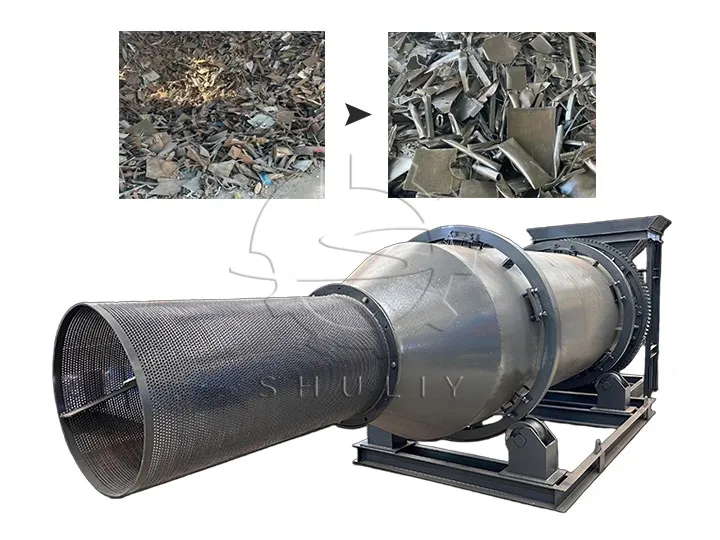
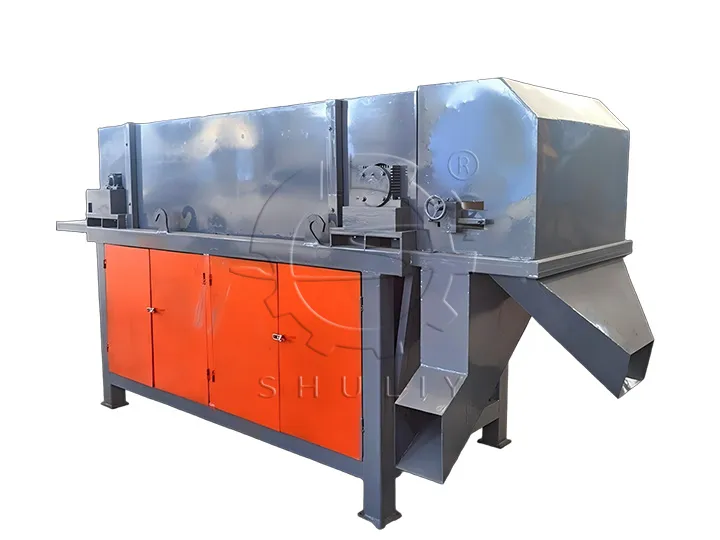
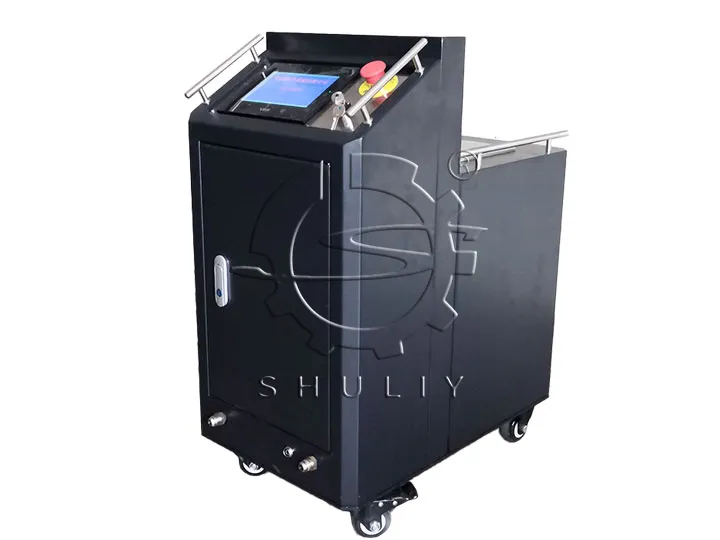
Optional Equipment: Metal Polishing Machine
After separation, a metal polishing machine can be added if higher material quality is required.
- Suitable for metal scrap, burnt metals, crushed materials, and non-ferrous metals
- Performs deburring, rust removal, edge rounding, and surface polishing
- Improves surface roughness by 1–2 grades
- Ideal for easily deformable workpieces
- Suitable for medium to large-sized parts
This equipment helps enhance the final product quality and increases its market value.


Thermal Break Aluminum Recycling Line Working Video
Application Value of the Aluminum Crushing and Sorting Line
The thermal break aluminum recycling line offers several practical benefits:
- Reduces manual sorting labor
- Improves recovery efficiency of non-ferrous metals
- Enables continuous and automated processing
- Suitable for window frame waste and construction debris


结论
In summary, the thermal break aluminum recycling line combines shredding, crushing, and eddy current separation to efficiently process aluminum profiles and separate metal from non-metal materials. The system is flexible and can be configured according to different production needs. For higher-quality output, a polishing machine can be added as a post-processing step, further increasing the value of recycled materials.